


Are you tired of juggling endless tasks that drain your time and energy? Imagine if your small business could run smoother, faster, and with fewer mistakes—all without adding extra work for you.
Automation for small business is the secret weapon that can transform your daily operations, freeing you to focus on what really matters: growing your business and delighting your customers. Whether it’s managing customer contacts, sending invoices, or handling marketing campaigns, automating these repetitive tasks can save you hours each week. And the best part? You don’t need to be a tech expert to get started. Tools like Triplo make it simple to automate key parts of your workflow, so you can work smarter, not harder. Ready to unlock more time and boost your business efficiency? Check out Triplo here and see how automation can change your game: Try Triplo for free. Keep reading to discover how automation can help your small business thrive.
Credit: www.cflowapps.com
Introduction To Automation For Small Businesses
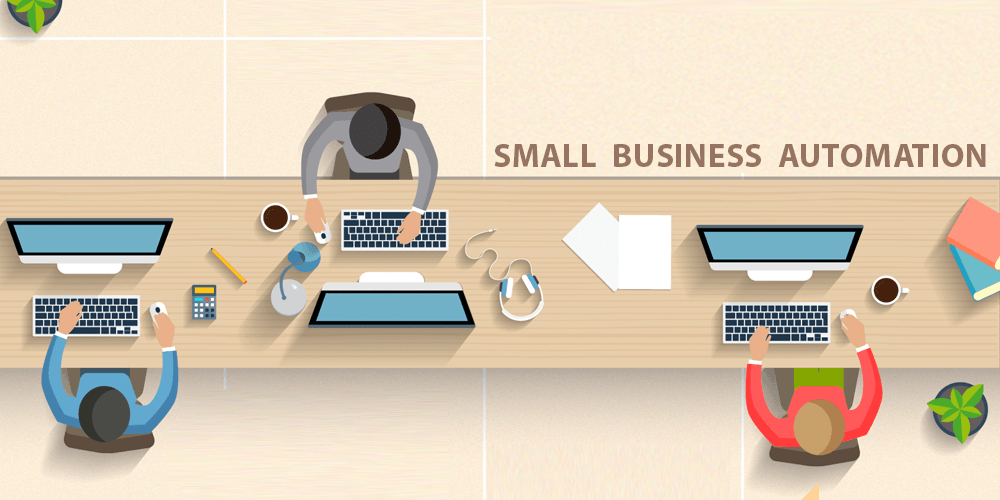
Small business automation means using software to make work easier. It helps with tasks like managing customers, marketing, and accounting. The goal is to save time and reduce mistakes.
Automation boosts efficiency by handling repetitive work fast. This cuts costs and lets workers focus on important jobs. It also helps businesses grow without needing more staff.
| Area | Example Tasks | Popular Tools |
|---|---|---|
| Customer Relationship Management (CRM) | Manage customer data, track sales, send emails | Pulse CRM, Salesforce, Zoho |
| Marketing | Send emails, schedule posts, track campaigns | Mailchimp, HubSpot |
| Accounting | Invoicing, expense tracking, payroll | Xero, QuickBooks |
| Scheduling | Book meetings, send reminders | Calendly, Doodle |
Credit: fluentforms.com
Key Features Of Small Business Automation Tools
CRM automation helps keep customer data organized and easy to find. It tracks sales leads and sends follow-up emails automatically. This makes sales work faster and more accurate.
Marketing automation improves how businesses connect with customers. It helps plan and send emails or messages to many people at once. This keeps customers interested and saves time.
Accounting and invoicing automation makes sure bills are correct and sent quickly. It helps get payments faster and reduces mistakes in money records.
Scheduling automation makes it easy to set up meetings and appointments. It sends reminders to avoid missed meetings and saves time on planning.
Workflow automation cuts down on manual work and errors. It sets clear steps for tasks, so work is done the same way every time.
Benefits Of Automation Features For Small Businesses
Automation saves time by making tasks faster and simpler. It helps small businesses focus on important work instead of repetitive chores. This streamlining cuts down on wasted effort and speeds up daily activities.
Operational costs drop as fewer people need to do manual work. Automation reduces errors, which means less money spent fixing problems. It also lowers the chance of missing important steps.
Accuracy improves because computers follow rules exactly. Mistakes from human error are less common. This leads to better quality in work and happier customers.
Customer experience gets better with faster responses and personalized service. Automation tools can send timely messages and reminders, keeping customers engaged and satisfied.
Business growth becomes easier since automation can handle more tasks as the company expands. It supports scaling up without needing many new employees. This helps keep growth steady and manageable.

Credit: blusteak.com
Pricing And Affordability Breakdown
Subscription models of automation tools often include free, basic, and premium tiers. Free plans usually offer limited features and lower usage caps. Paid plans range from $10 to $50 monthly, depending on features and user limits. Popular tools like Zapier or Mailchimp use this model.
Small businesses must choose tools that fit their tight budgets. Affordable options provide essential automation without extra costs. Some tools offer discounts for annual payments.
Free solutions help start automation but may lack advanced features and support. Paid plans offer better reliability, more integrations, and faster customer service.
| Tool | Free Plan | Paid Plan Range | Key Benefit |
|---|---|---|---|
| Zapier | 100 tasks/month | $19.99 - $49.99/month | Connects many apps easily |
| Mailchimp | Up to 2,000 contacts | $13 - $299/month | Email marketing automation |
| Triplo | Limited AI automations | Varies, check official site | AI-powered automation |
Return on investment depends on time saved and error reduction. Automated tasks free up employees for more important work. Businesses should weigh cost against efficiency gains before investing.
Pros And Cons Of Automation For Small Businesses
Automation helps small businesses save time and reduce errors. It is useful in customer management, marketing, and accounting. Tools like Zapier, Calendly, Xero, and Mailchimp are popular choices.
Many small businesses start by automating invoicing. This step speeds up payments and cuts mistakes. Automation also helps with tracking sales leads and sending follow-up emails.
| Common Challenges | Mitigation Strategies |
|---|---|
| High setup costs | Start small with affordable tools |
| Technical issues | Use user-friendly software and training |
| Resistance from staff | Explain benefits and involve team early |
Risks include over-automation, which may hurt customer relations. Keep a human touch in customer service and sales. Balance between machines and people for best results.
Recommendations For Ideal Users And Scenarios
Identify tasks that repeat often and take much time. These are best for automation. Examples include data entry, email follow-ups, invoicing, and scheduling. Automating these saves hours and reduces errors.
Choose tools that fit your business size and industry. Small shops may prefer simple apps like Calendly for scheduling or Zapier to connect other apps. Larger small businesses might need more robust tools like Salesforce for customer management.
| Business Size | Recommended Tools | Industry Examples |
|---|---|---|
| Solo or micro | Calendly, Zapier | Freelancers, Consultants |
| Small teams | Zoho CRM, Mailchimp | Retail, Services |
| Growing SMBs | Salesforce, Xero | E-commerce, Professional Services |
Begin automation by mapping current workflows. Choose one task to automate first. Test the tool carefully. Train staff on new processes. Track results and adjust as needed.
Consult automation experts when tasks are complex or tools seem overwhelming. Experts help avoid costly mistakes and speed up success.
Conclusion: Maximizing Efficiency And Cutting Costs With Automation
Automation helps small businesses save time and cut costs. It makes tasks easier by handling repetitive work. Many tools help with customer management, marketing, and accounting. For example, Triplo offers smart automation to improve business flow.
Starting with simple tasks like invoicing or email follow-ups can bring big benefits. Small businesses gain more time to focus on growth and customer care. Automation also reduces errors and speeds up processes.
Future trends show more AI-powered tools will become available. These will make automation even easier and smarter. Small businesses should watch for updates to keep improving their efficiency.
Frequently Asked Questions
What Is Automation For Small Business?
Automation for small business uses software to streamline repetitive tasks. It improves efficiency, saves time, and reduces manual errors in daily operations.
Which Tasks Should Small Businesses Automate First?
Small businesses should start automating invoicing, customer follow-ups, and scheduling. These tasks save time, improve accuracy, and speed up cash flow.
What Are Popular Automation Tools For Small Businesses?
Popular tools include Zapier for app integration, Calendly for scheduling, Xero for accounting, and Mailchimp for email marketing campaigns.
How Does Automation Benefit Small Business Growth?
Automation increases productivity by freeing employees from mundane tasks. It also cuts operational costs and helps scale business sustainably.
Conclusion
Small business automation saves time and reduces errors in daily tasks. It helps manage customers, sales, and accounting smoothly. Using tools like Triplo can simplify many repetitive jobs. Triplo offers easy-to-use automation to boost efficiency without extra hassle. Start small, automate key tasks, and grow steadily. Explore how Triplo can support your business here: Triplo. Automation makes work easier and lets you focus on what matters most.

 Ecommerce Guides offers extensive tips, tricks, and latest hacks for your ecommerce journey. If you don't have the time to do it yourself, contact Ivan for help!
No comments
Post a Comment