


Have you ever felt like your work is slow and messy? Like you do many things again and again? That is where streamlined workflows help. They make work easier and faster. Let’s talk about what streamlined workflows mean and how they help us.
What Does "Streamlined Workflow" Mean?
A streamlined workflow means making work simple and quick. It is about removing steps that are not needed. It also means using tools to do boring tasks automatically. When work is streamlined, you save time and make fewer mistakes.
Think about when you clean your room. If you pick up clothes, then books, then toys, and put them in the right place, that is a good plan. But if you just pick one thing and jump to another, it takes longer. Streamlining is making a good plan and following it.
Key Parts of Streamlining a Workflow
To make work smooth, you need to do some important things. Here are the key parts:
| Part | What It Means |
|---|---|
| Simplification and Elimination | Find and remove steps that are not needed to finish the job. |
| Automation | Use technology to do boring or repeated tasks for you. |
| Standardization | Create easy-to-follow instructions and templates for common tasks. |
| Clear Communication | Make sure everyone knows what to do and can talk to each other easily. |
| Continuous Improvement | Always check your work process and make it better regularly. |
Why Should You Streamline Your Workflow?
Streamlining is not just a fancy word. It helps in many ways:
- Increased Efficiency: Work gets done faster and better.
- Improved Quality: Fewer mistakes happen because the work is simple.
- Higher Productivity: People can do more important things instead of boring tasks.
- Scalability: The process can grow when more work comes in.
- Better Satisfaction: Happy workers and happy customers because work is easy.
How to Make Your Workflow More Streamlined
Now, let’s talk about some easy ways you can make your work smoother.
1. Look For Steps You Don’t Need
First, see if there are any tasks or steps that don’t help finish the work. If you find any, remove them. This saves time and makes work simpler.
2. Use Tools To Help You
Many tasks are repeated every day. Like writing the same emails or entering data. Use software or apps to do these tasks automatically. This way, you avoid mistakes and save energy.
3. Make Clear Instructions
Create simple guides or checklists for common jobs. When everyone follows the same steps, work is faster and errors are fewer. It also helps new people learn quickly.
4. Talk Clearly With Your Team
Good communication is key. Use clear messages and easy tools to share information. When everyone knows their job, the work runs smoothly without confusion.
5. Keep Improving
Don’t stop after making changes once. Check your work often. Look for new problems or slow parts. Fix them to keep work easy and quick.
Examples of Streamlined Workflows
Here are some simple examples you might find interesting:
- Office Work: Using email templates for common replies saves time.
- School Projects: Making a plan before starting helps finish faster.
- Kitchen Cooking: Preparing ingredients before cooking makes the process smooth.
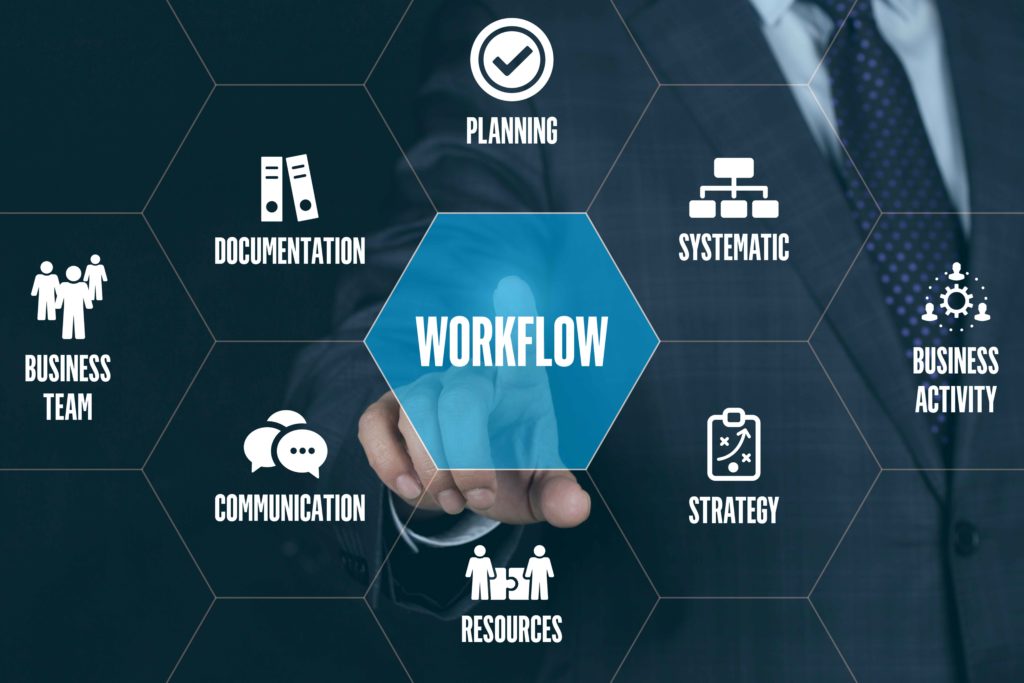
Credit: www.innovapptive.com
What Happens When Workflows Are Not Streamlined?
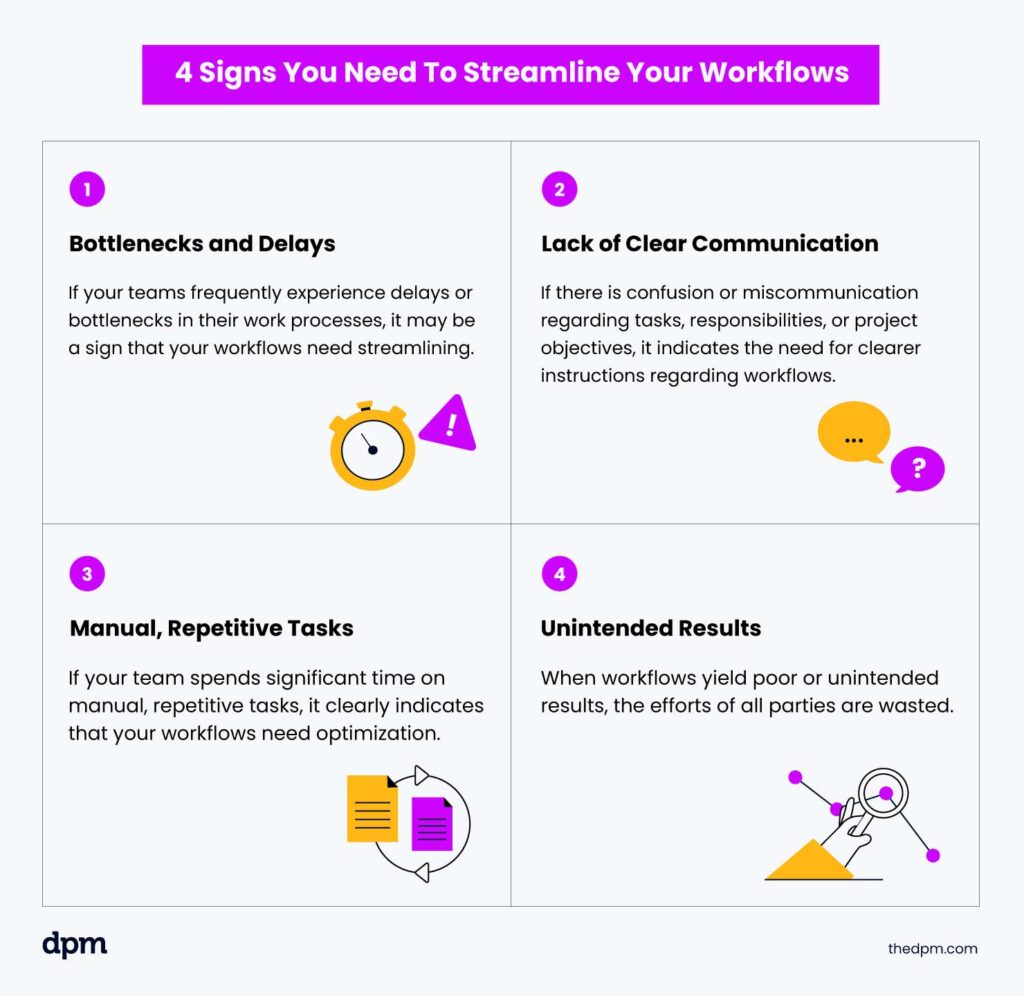
When workflows are messy, problems happen. Here are some common issues:
- Wasting time doing the same things again and again.
- Making mistakes because steps are confusing or missing.
- Feeling tired or frustrated because work is harder than it should be.
- Clients or customers are unhappy because work is slow or wrong.
So, it is better to keep workflows smooth and simple.
Tips to Keep Your Workflow Streamlined
Want to keep your work easy and quick? Here are some tips:
- Write Down Your Process: When you list your steps, you see where to improve.
- Ask for Help: Sometimes, others see problems you don’t.
- Use Simple Tools: Not every tool is complicated. Choose ones that are easy to use.
- Review Often: Check your work every week or month.
- Teach Others: Share your process so the whole team works well.
Credit: thedigitalprojectmanager.com
Benefits of Streamlined Workflows in Real Life
Let’s imagine a small shop. When the shop owner uses a streamlined workflow, customers get served faster. The shop does not lose money from mistakes. Workers feel happy because they know what to do.
Or think about a hospital. Doctors and nurses need to work fast and correct. Streamlined workflows help them care for many patients quickly and safely.
Common Mistakes to Avoid
Even when trying to streamline, some mistakes happen:
- Skipping Important Steps: Removing too much can cause errors.
- Using Too Many Tools: It can make work confusing instead of easy.
- Not Training People: Without proper training, people can get lost.
- Ignoring Feedback: Not listening to workers stops improvement.
Be careful and smart when changing workflows.
Frequently Asked Questions
What Does Streamline Workflow Mean?
Streamline workflow means simplifying tasks, removing unnecessary steps, and automating repetitive actions. This boosts efficiency, saves time, and improves productivity.
What Are The Four Types Of Workflows?
The four types of workflows are sequential, parallel, state machine, and rules-driven. Each organizes tasks to boost efficiency and clarity.
What Is Another Way To Say Streamlined Processes?
Another way to say streamlined processes is "optimized workflows" or "efficient procedures. " These terms highlight simplicity and improved productivity.
How Do You Use Streamline Process In A Sentence?
Use "streamline process" in a sentence like this: "We streamline processes to save time by eliminating unnecessary steps and automating tasks. "
Conclusion
Streamlined workflows make work simpler, faster, and better. They help people save time and reduce mistakes. Using clear steps, good tools, and communication is the key. Always check your work and try to improve it.
Whether you work in an office, school, or shop, streamlined workflows help you do your best. Start small, and see how your work changes for the better.

 Ecommerce Guides offers extensive tips, tricks, and latest hacks for your ecommerce journey. If you don't have the time to do it yourself, contact Ivan for help!
No comments
Post a Comment